
SERP volatility: what to do about it
What is SERP volatility, what causes Google rankings to swing, and why waiting is often the right first response before you change anything on your site.


Product
Features Expired Domain Finder Niche Site Finder Google Update Tracker Domain Marketplace Sell a DomainFree Tools
Domain Age Checker Domain Expiry Checker Domain History Checker Spam History Checker Domain Worth Calculator Backlink Analyzer Pricing Blog AboutMore
Roadmap FAQ ContactWe spend our days looking at what is actually ranking. Notes on niche research, Google updates, link prospecting and programmatic SEO — no listicles, and no predictions we cannot back with numbers.
What is SERP volatility, what causes Google rankings to swing, and why waiting is often the right first response before you change anything on your site.

Should internal links be nofollow? Almost never. Nofollow does not save link value; use noindex or robots rules for the pages you want kept out of search.

How does Google knowledge panel work? Panels are generated from the Knowledge Graph, not bought. What you can claim, what you can edit, and what to fix.

Google sitelinks SEO comes down to structure: sitelinks are automated and can't be requested. What Google says shapes them, and how to remove a bad one.
Thin content is about value, not word count. The five types Yoast lists, Google's thin affiliation definition, and how to merge, improve or prune.

Examples of keyword stuffing from Google's own spam policy, the five places it hides on a page, and why repetition no longer earns a single position.
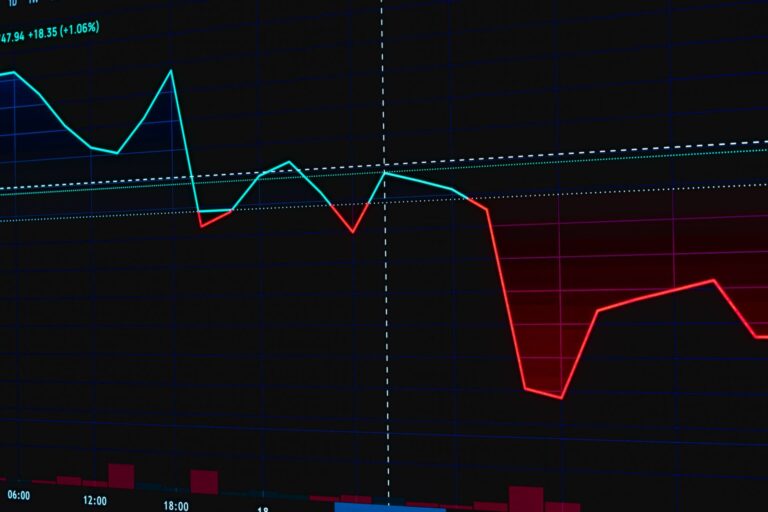
Impressions vs clicks Google Search Console data explained: what each metric records, and why impressions rise while clicks stay flat.

Doorway pages in SEO, defined by Google: the four examples in its spam policy, the 2015 self-check questions, and when location pages are not doorways.

Crawlability and indexability are separate gates. Which controls affect each one, and why blocking a URL in robots.txt does not keep it out of Google.