
For years the Raptive requirements were simple to state and hard to meet: 100,000 monthly pageviews, and you were in the conversation. That made Raptive a network you graduated to rather than started with. The new minimum changes that, and it changes which sites should be aiming at it.
Here is what moved, what did not, and how to tell whether your site is actually close.
What changed in the Raptive requirements
In a post on its own blog, updated 16 October 2025, Raptive said it now requires a minimum of 25,000 monthly pageviews to join, down from 100,000. Its framing was that “quality can’t be defined by size alone”: the network wants smaller sites with strong content and engaged audiences, not just large ones.
Trade coverage filled in the detail. Search Engine Journal and PPC Land both reported a traffic-mix condition that scales with size, and that Raptive’s separate Rise program for smaller creators was folded into the single standard offer.
| Monthly pageviews | Share of traffic needed from US, UK, Canada, New Zealand or Australia | Source |
|---|---|---|
| Under 25,000 | Not eligible | Raptive |
| 25,000 to 99,999 | 50% | As reported by SEJ and PPC Land |
| 100,000 and above | 40% | As reported by SEJ and PPC Land |
Terms like these move, and the reported percentages are not Raptive’s own wording. Confirm the current figures on Raptive’s application page before you plan around them.
The country-mix rule is the real gate
The received wisdom is that a pageview threshold is the thing to hit. Under the reported terms, a small site needs a higher share of traffic from the five named countries than a large one: half, against 40% for sites past 100,000. The lower door is narrower.
That matters because the sites hovering around 25,000 pageviews are often the ones with the least control over where their audience comes from. A few posts that rank internationally, a Pinterest pin that travels, a recipe picked up by a foreign aggregator: any of these can tip the mix below half without the owner noticing.
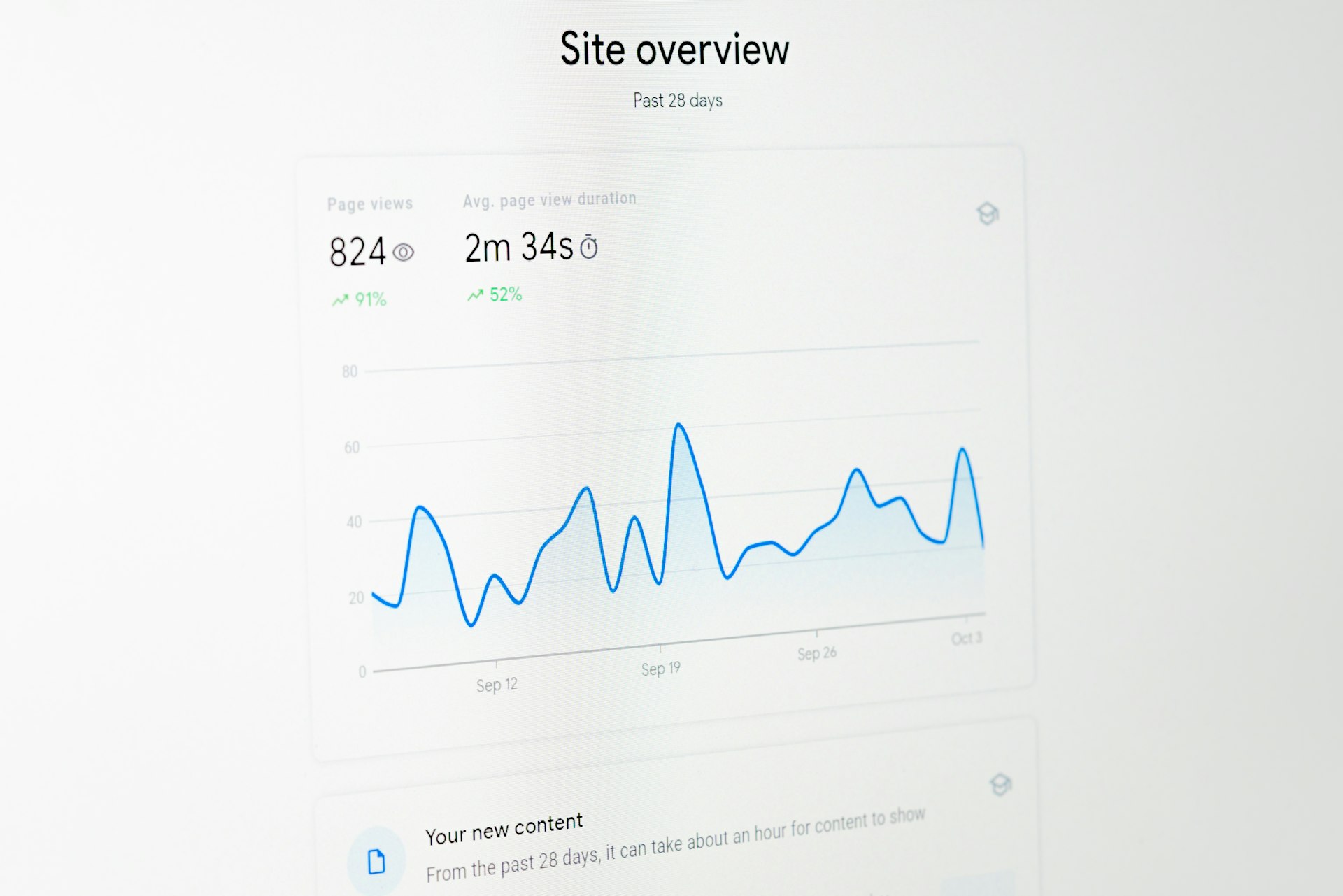
So the first report to open is not total pageviews. It is pageviews by country, for the last full month, with the five Raptive countries summed and divided by the total. If that number is under 50%, more traffic of the same kind will not get you in.
Do the same calculation for the previous two or three months as well. A ratio that has been sliding towards the line is a warning even if this month passes, because the content that is growing fastest is usually the content setting the future mix.

Raptive minimum requirements beyond traffic
Raptive’s post makes quality the stated test, and the lower threshold makes it a more active one. When the bar was 100,000, scale itself screened out a lot of weak sites. At 25,000, the content has to do more of that work.
- Original content with a clear audience. Raptive’s argument for the change is that strong smaller creators were being excluded. A site of scraped or templated pages is not who that argument is about.
- Engaged readers. Display revenue depends on people staying on the page long enough for ads to load and be seen. Thin answers that send people back to the results page work against you.
- A consistent niche. Advertisers buy audiences. A site that covers one subject well is easier to sell than one that covers ten loosely.

Who the lower bar actually helps
The change is good news for a specific kind of publisher: a focused site in a well-paid niche, with a predominantly Anglophone audience, that was stuck between roughly 25,000 and 100,000 pageviews. Family, home, food and personal finance sites with mostly US and UK readers fit that description. Before October 2025 they had to wait or go elsewhere; now they can apply.
It helps less if your traffic is global or your niche pays poorly. A tech-support site with a worldwide audience may pass 25,000 pageviews easily and still fail the mix. For those sites, the ad network comparison is a better starting point than Raptive’s application form.

Under the reported terms, the lower door is the narrower one.
Checking a niche before you build for it
If you are choosing a niche with Raptive in mind, look first at whether the model already works there. In the database explorer, set monetization to display ads and ad network to Raptive, add your niche and set language to English, then sort by estimated traffic. You are checking whether sites in that niche run Raptive at all, and at what kind of scale.
Then widen it: drop the ad network filter and compare which networks the same niche uses. The monetization hub covers that view, and our piece on how websites make money shows where display ads sit next to affiliate and lead-gen income.
The limitation: traffic figures in any third-party dataset are estimates, and none of them show a site’s country split or its acceptance date. The explorer tells you a niche supports Raptive; your own analytics tell you whether your site qualifies.

A practical sequence
Check your Tier 1 share first, because it decides whether pageviews matter yet. If you are above half and above 25,000 pageviews, apply and confirm the terms on the way in. If you are above 25,000 but under half, work on the mix: invest in topics with US and UK demand, and stop chasing traffic that inflates totals without helping the ratio. If you are under 25,000, focus on the niche rather than the network.
Measure the ratio over a full month rather than a good week. Seasonal niches swing hard: a gardening or tax site can look comfortably Anglophone in spring and lopsided in autumn as its international pages catch up. Apply on a month that represents the site as it normally is, not the best month you can find, because the network will see the rest.
Be wary of fixing the ratio by cutting traffic. Noindexing pages that attract international visitors can raise the percentage, but it also removes pageviews, and it can take useful pages out of the index for the sake of a number. Growing the right traffic is slower and more durable than shrinking the wrong traffic.
Finally, treat acceptance as the start of the measurement, not the end. Once ads are live, your RPM by page and by country tells you which content earns and which merely fills the pageview count. That is the data that should shape the next year of publishing, far more than any threshold.

Frequently asked questions
What are the Raptive traffic requirements?
Raptive requires a minimum of 25,000 monthly pageviews, down from 100,000, according to its own blog post updated 16 October 2025. Trade press reported a traffic-mix condition alongside it.
How much US traffic does Raptive require?
As reported by Search Engine Journal and PPC Land, sites with 25,000 to 99,999 pageviews need 50% of traffic from the US, UK, Canada, New Zealand or Australia, and sites with 100,000 or more need 40%. Confirm current terms with Raptive.
What happened to Raptive Rise?
It was reported to have been folded into Raptive’s single standard offer when the lower threshold was introduced.
The takeaway Raptive’s minimum is now 25,000 monthly pageviews, but smaller sites reportedly need half their traffic from five Anglophone countries. Check your country mix before your totals; for most sites near the line, it is the deciding number.