
Are featured snippets still relevant? The short answer is yes, but for a different reason than the one most guides give. They are not a box you can claim with the right formatting trick. They are a by-product of a page that answers a question cleanly, and that same quality is what any answer system, Google’s own AI included, looks for when it lifts text from the web. Treat the snippet as a symptom of a good page and the question of whether it is “still relevant” mostly answers itself.
What a featured snippet actually is
Google’s own documentation, Featured snippets and your website, defines them in one line: “Featured snippets are special boxes where the format of a regular search result is reversed, showing the descriptive snippet first.” A normal result leads with the title and URL. A featured snippet leads with the answer, then tells you where it came from.
That reversal is the whole point. The searcher reads your text before they see your brand, which is why the format can feel like both a gift and a threat. Our overview of SERP features puts it alongside the other boxes competing for the same space.
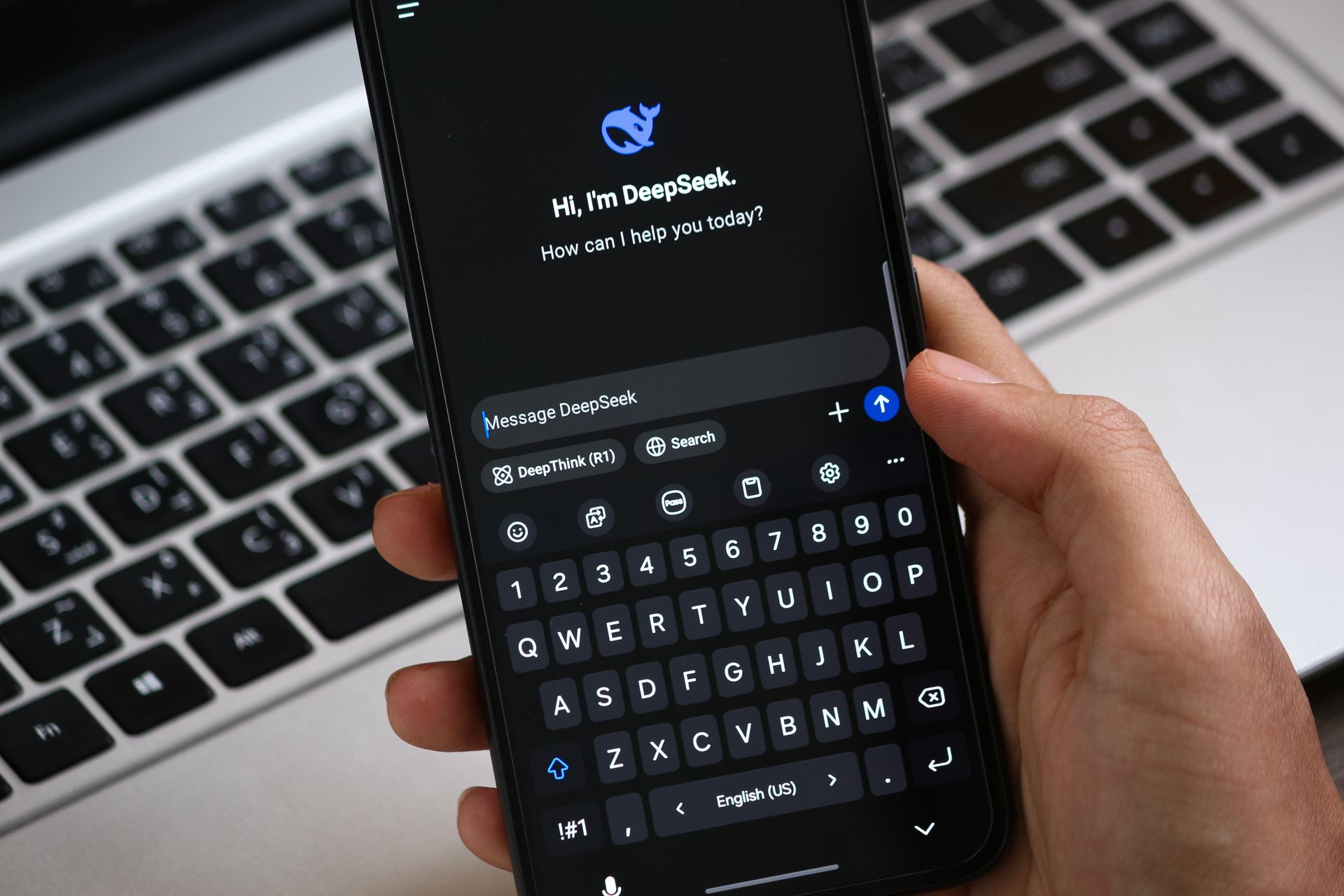
AI Overviews vs featured snippets
Both still exist, and they do different jobs. A featured snippet quotes one page. An AI Overview writes its own summary and cites sources beneath it. On many queries the AI answer now sits at the very top, which pushes everything else, snippet included, further down the screen.
This is where much of the commentary goes wrong. You will see confident figures claiming snippets have fallen by some precise percentage. Those numbers come from small vendor studies, and we have not been able to verify them, so we do not repeat them. What can be said is that the top of the page is more crowded than it was, and that the click a snippet once delivered is less certain. For the traffic side, our post on how AI Overviews affect traffic walks through Pew’s data, and zero-click searches covers the wider pattern of answers that end the search on the results page.
The practical conclusion is less dramatic than either camp suggests. A page that states an answer plainly, near a heading that matches the question, is a good candidate for a snippet and a good candidate to be cited by an AI answer. You do not need two strategies.
You cannot mark a page as a featured snippet
The received wisdom says featured snippets are something you “optimise for”: add a definition box, use a particular word count, wrap the answer in the right markup. Google’s page says otherwise. There is no markup that requests one. In its words, “Google systems determine whether a page would make a good featured snippet … and if so, elevates it.”
That does not mean structure is irrelevant. It means structure helps the page be understood, and the decision stays with Google. Formatting tricks applied to a weak answer do not change the outcome, and a strong answer in plain paragraphs can still be chosen. Structured data, which we cover in our schema markup guide, serves other result types; it is not a switch for this one.

The controls you do have
The only levers Google documents work in one direction: they make a snippet less likely or impossible. The table sets out what each does.
| Control | What it does | Effect on featured snippets |
|---|---|---|
| No setting at all | Google decides whether the page would make a good snippet | Eligible; the choice is Google’s |
nosnippet robots rule | Blocks snippets for the whole page | Removes it from featured snippets |
data-nosnippet attribute | Blocks snippets for a marked section | That section cannot be shown |
Lower max-snippet value | Caps how much text can be shown | “The shorter your max-snippet rule setting, the less likely the page will appear as a featured snippet” |
| Markup requesting a snippet | Does not exist | None |
A page-level rule looks like this in the <head>:

Opting out is a blunt instrument. Some publishers block snippets hoping searchers will click through to read the answer. That may work for a page whose answer is the whole product, but it also removes the text from the most visible slot, and nothing guarantees the click arrives instead. If you try it, try it on a handful of pages and compare clicks before and after, not across the site at once. Our post on CTR by position is a useful baseline when you do.
Where the click goes
One detail in Google’s documentation gets less attention than it deserves. Clicking a featured snippet can take the user directly to the section of the page that appeared, scrolling them there in browsers that support it. The visitor lands on the answer, not the top of the article.
That changes what the page needs to do. If the snippet text sits halfway down a long guide, the reader arrives mid-page, sees the sentence they already read on the results page, and decides in seconds whether there is more worth staying for. The paragraph after the quoted passage matters as much as the passage itself: give the next step, the exception or the example that the snippet could not hold.
Are featured snippets still relevant to your plan?
For most sites, the answer is to stop treating them as a target and keep doing the things that make a page quotable. Put the question as a heading. Answer it in the first sentence or two underneath, plainly, without a preamble. Follow with a list or table where the answer genuinely has steps or comparisons. Then make the rest of the section worth landing on, because that is where the snippet sends people.

When you review results, compare the page that holds the snippet with yours rather than guessing at a formula. Look at how quickly it reaches the answer, how the heading is worded and whether the answer stands alone out of context. Those are the differences you can act on. Rewriting a passage to be clearer helps you whether the reward is a snippet, a citation in an AI answer or simply a reader who stays.
The limitation is that none of this is predictable. Google does not publish how it chooses between candidate passages, whether a query will show a snippet next month, or how the AI answer above it will change. You can make a page a better candidate. You cannot make it the answer, and any guide promising otherwise is selling certainty that does not exist.
Frequently asked questions
Do featured snippets still exist?
Yes. Google still documents them as boxes that reverse the normal result format, showing the descriptive snippet first. AI Overviews now appear above many results, but they have not replaced snippets.
What is the difference between an AI Overview and a featured snippet?
A featured snippet quotes text from one page. An AI Overview writes its own summary and cites sources. Clear, direct answers help a page in both cases.
Can I mark up a page to get a featured snippet?
No. Google’s systems decide whether a page would make a good featured snippet. You can only opt out, with nosnippet, data-nosnippet or a lower max-snippet value.
Should I block featured snippets to get more clicks?
Only as a test on a few pages. Blocking removes your text from a prominent slot, and there is no guarantee the click comes to you instead.
The takeaway Featured snippets are still Google’s choice, not yours. Write answers that stand on their own, make the section they point to worth landing on, and use opt-outs only as a measured test.