The SEO vs PPC debate is usually framed as a contest, with each side’s advocates insisting their channel wins. That framing is the mistake. The two channels sell the same thing, a visit from someone searching, on completely different terms. One charges per click and delivers immediately. The other charges up front in time and expertise and delivers later, for longer. Once you see it as a trade between speed and staying power, most of the decision makes itself.
The difference in one sentence each
Ahrefs’ comparison of SEO and PPC, by Si Quan Ong, defines them cleanly. SEO is “the process of optimizing your pages to rank in a search engine’s organic results.” PPC is “a form of online advertising where advertisers pay a fee each time someone clicks their ad.”
The article dates from 2019, so we have left out its traffic and cost-per-click figures; prices in paid search move too much for six-year-old numbers to mean anything. The structural points it makes have not changed, and they are the useful part.

| SEO | PPC | |
|---|---|---|
| How you pay | Time, content and expertise | A fee for each click |
| Main strength | Staying power; long-term cost efficiency | Speed, granular targeting, quick testing |
| Main weakness | Slow; needs expertise; competitive | Expensive; diminishing returns; ongoing spend |
| Ahrefs says use it for | The long term, informational content, tight budgets | Launches, time-sensitive offers, new markets |
Where SEO wins, and what it costs you
SEO’s advantage is that the traffic does not switch off. A page that ranks keeps bringing visits without a per-click charge, so the cost of each visit falls the longer it ranks. That is what Ahrefs means by staying power and long-term cost efficiency. Our post on organic traffic value covers how to put a number on those visits.
SEO is also the natural home for informational content, which Ahrefs singles out. People researching a problem rarely click ads, and paying for every visit from someone months away from buying is hard to justify. A guide that ranks can serve those readers for years at no marginal cost, and bring them back when they are ready to buy.
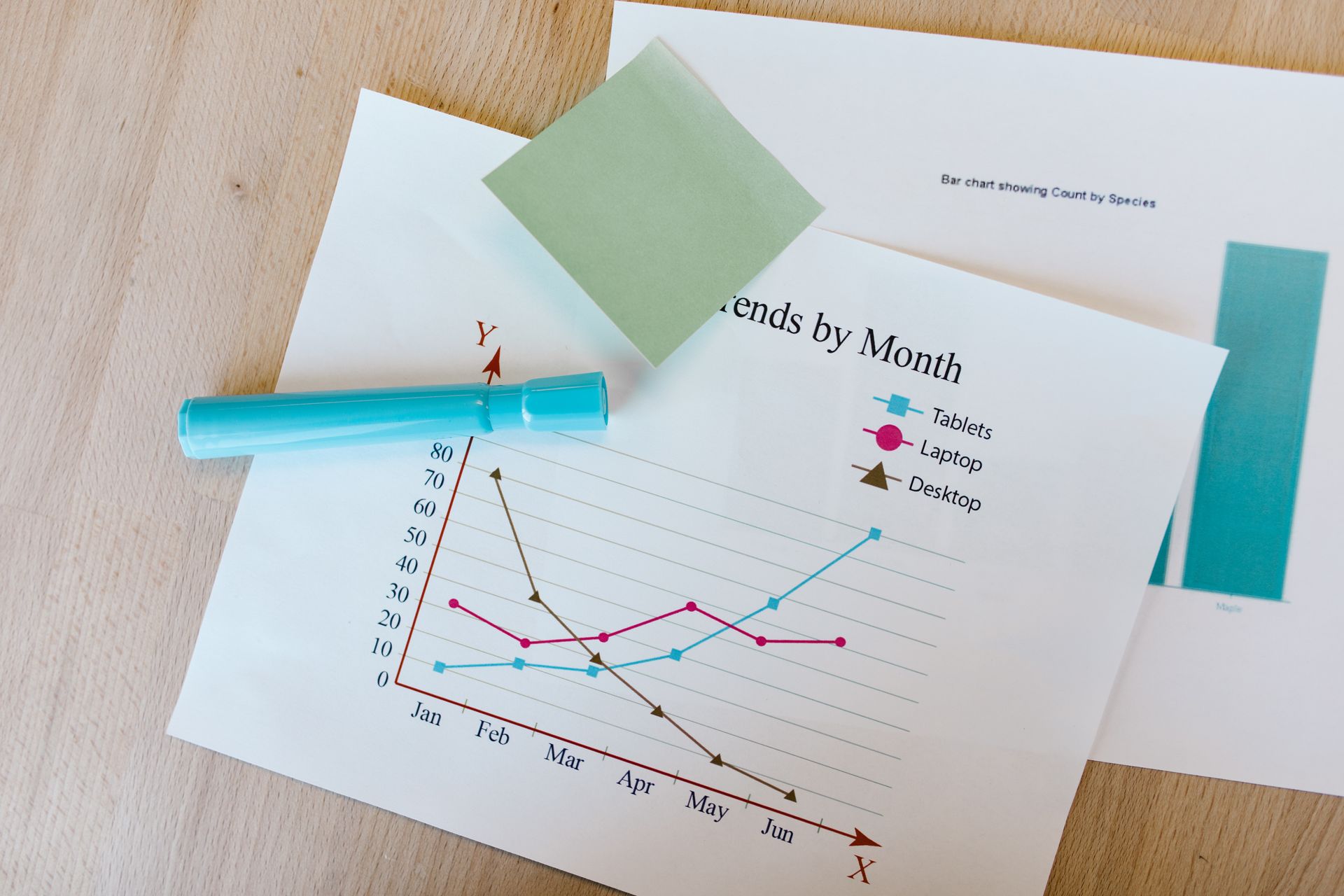
The cost is time, and it is larger than most people budget for. Ahrefs found that only 22% of pages ranking in the top ten were published within the previous year. Put the other way round, most ranking pages were more than a year old. If you need results this quarter, SEO is the wrong tool, and our post on how long it takes to rank a new website sets out why. SEO also needs expertise, and in established niches you are competing against sites that have had years of head start.
Where PPC wins, and why it gets more expensive
PPC’s strengths are the mirror image. You can be at the top of a results page the day a campaign goes live. You can target by location, device, audience and time of day. And you can test an offer, a headline or a landing page in days, then take the winner into your organic content. For a launch or a sale that ends on Friday, nothing else comes close.
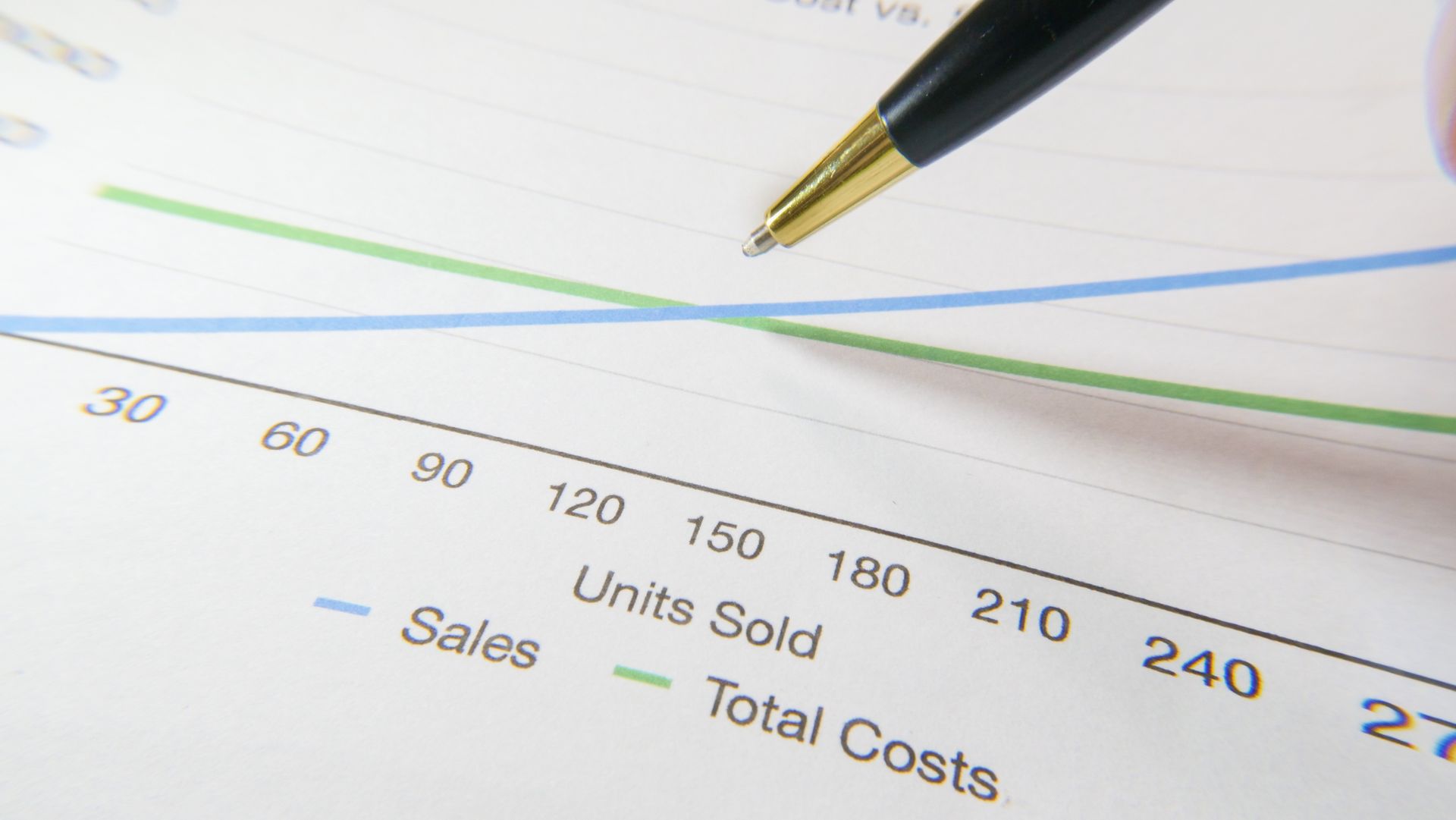
The weaknesses are just as structural. You pay for every click, forever. The moment spend stops, the traffic stops with it, and nothing accumulates. Ahrefs also points to diminishing returns: “The longer your campaigns run, the less effective they become.” Audiences tire of the same ads, and scaling spend means bidding into costlier, less relevant clicks. PPC is a tap, not an asset.
That does not make paid search a waste. It makes it a cost of doing business rather than an investment, which is fine as long as the campaigns are profitable on their own terms. The mistake is treating ad spend as if it were building something. When the budget is cut, you are back where you started, with only the data to show for it.
SEO vs PPC for small business
The received wisdom says small businesses should start with PPC because it is faster. That is only half right. Ahrefs recommends SEO for tight budgets, precisely because paid search keeps charging and a small budget runs out. PPC is quick, but only for as long as you can pay for it.

A more useful rule is to match the channel to the job. If you are launching a product, running a time-limited offer or testing a new market, use PPC for those campaigns. If you are building something you expect to sell for years, start the SEO work now, because the clock on it starts the day you publish. Many businesses run both: paid search for the urgent, organic for the durable, with PPC data telling you which keywords are worth the long wait for organic rankings.
SEO vs PPC ROI: comparing like with like
Return on investment is where the comparison is most often done badly. PPC’s return is easy to measure: spend, clicks, conversions, revenue, all in one dashboard within weeks. SEO’s return arrives slowly and keeps arriving, so a three-month comparison flatters PPC and a three-year one flatters SEO. Neither is honest on its own.
Compare them over the same horizon, and include the costs people forget: content, tools and staff time for SEO; management time and creative refreshes for PPC. Our guide to measuring SEO ROI covers the method. Be careful with attribution too. Someone who first finds you through an organic guide and later clicks an ad to buy is credited to the ad under last-click attribution, which flatters PPC in most reports.

The limitation is that no general article can tell you which channel wins for your market. Click prices, competition and how long ranking takes all vary by niche, and the source we rely on here is from 2019, which is why we have used its structural arguments and left its numbers alone. The 22% finding describes pages in Ahrefs’ sample, not a guarantee about yours. Run a small paid test, check what the pages ranking organically for your keywords look like, and decide with your own figures. If speed matters most, pay for it. If durability matters most, start the SEO work now and accept the wait. For most businesses that plan to be around in three years, the honest answer is some of both, with the balance shifting towards organic as the rankings arrive and the paid budget can be pulled back.
Frequently asked questions
Is SEO or PPC better?
Neither in general. PPC is better for speed, launches and time-sensitive offers; SEO is better for long-term, informational content and tight budgets.
How long does SEO take compared with PPC?
PPC can deliver traffic the day a campaign starts. Ahrefs found only 22% of top-ten ranking pages were published within the previous year.
Does PPC help SEO?
Its clearest use for SEO is data: PPC tests show quickly which keywords and messages convert, which helps you choose what to target organically.
Why does PPC get less effective over time?
Ahrefs notes diminishing returns: audiences tire of the same ads, and scaling spend means paying for costlier, less relevant clicks.
The takeaway Use PPC when you need traffic now and can keep paying. Use SEO for anything you expect to sell for years, and start it early because it is slow.