
Most local SEO retainers are sold on activity: posts, citations, review campaigns, monthly reports. The local pack ranking factors that matter most, according to the people who study them closely, are less glamorous. They are a handful of profile settings and facts about the business itself, and an agency that gets those right early has done most of the work that can be done.
The best public reference is Whitespark’s Local Search Ranking Factors report, run by Darren Shaw. The 2026 edition, published on 6 November 2025, surveyed 47 local search experts who scored 187 factors. It is the closest thing the industry has to a shared map of the Google local pack, and it is worth reading with one caveat firmly in mind.
Note what this is. The Whitespark survey is a ranking of what experienced practitioners believe, not a controlled measurement of Google’s systems. The scores reflect years of client work and testing, which makes them useful, but a high score means experts agree a factor matters, not that it was proven to move rankings by a given amount. Treat it as a well-informed prior and test against your own clients.
Google’s own framing is much shorter. Its Business Profile help page names three factors: relevance, “how well a Business Profile matches what someone is searching for”; distance, “how far each business is from the customer who’s searching”; and prominence, “how well-known a business is”. Links, review count and ratings feed prominence. Every factor in the expert survey sits somewhere inside those three.
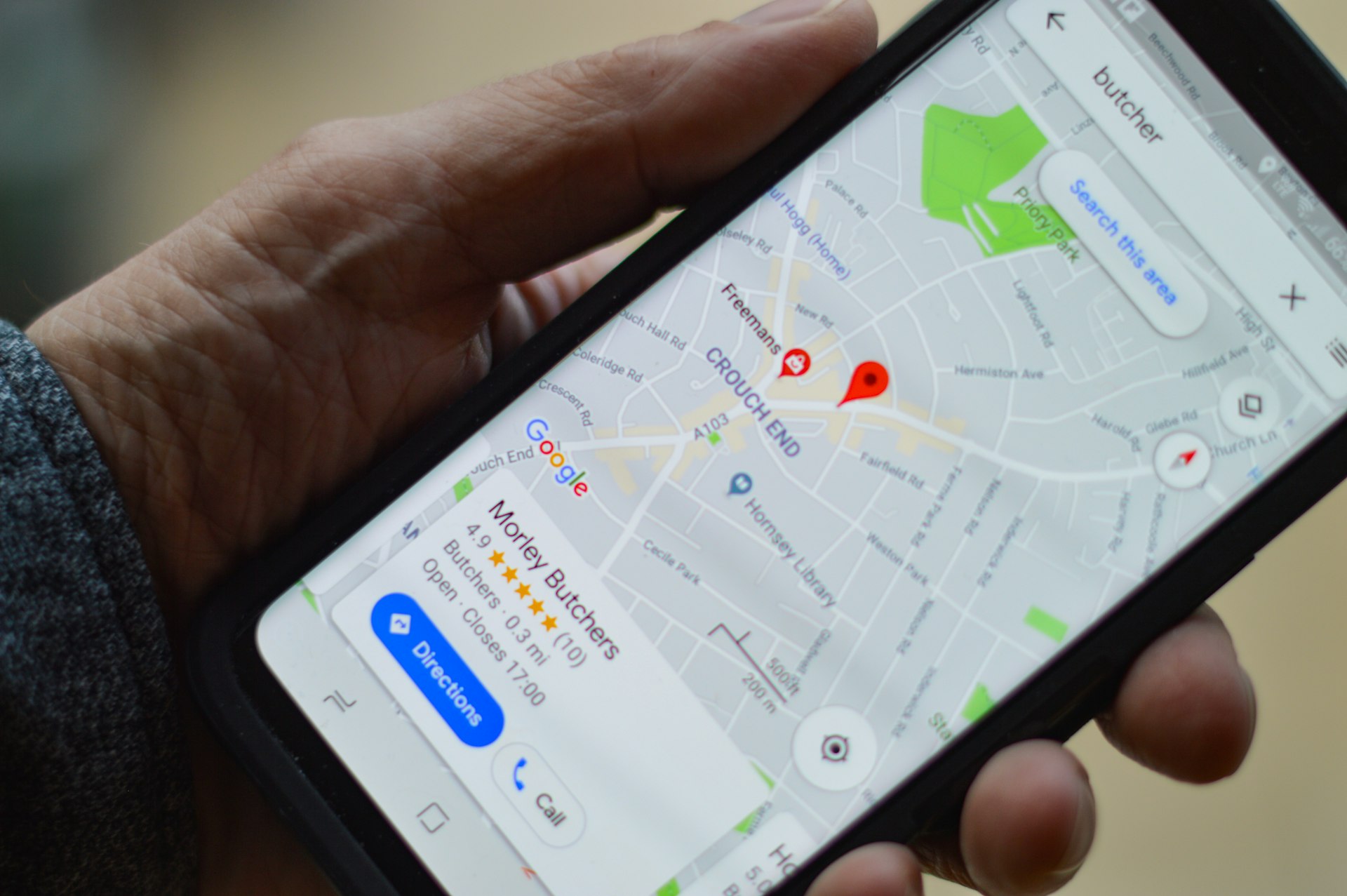
The top google local pack ranking factors
Here are the five highest-scoring factors for the local pack and Maps in the 2026 survey, as listed in the Whitespark Local Search Ranking Factors report, mapped to Google’s three buckets and to how much control an agency really has.
| Factor (Whitespark 2026) | Score | Google bucket | Agency control |
|---|---|---|---|
| Primary GBP category | 227 | Relevance | High: a setting you choose |
| Proximity of address to search point | 225 | Distance | None for an existing location |
| Keywords in GBP business title | 223 | Relevance | Low: guidelines forbid adding them |
| Physical address in city of search | 213 | Distance | None, short of moving |
| Business is Open at Time of Search (Business Hours) | 189 | Relevance / freshness | Medium: accurate hours |
Read the last column before anything else. Two of the top four are about where the business physically is. One is effectively off limits. That leaves the primary category and opening hours as the two high-value levers an agency can pull on day one.

Primary category: the setting most profiles get wrong
The primary category is the single strongest relevance signal you control. It tells Google which searches the profile should be considered for at all. A hypothetical dental practice that lists itself as “Dentist” when most of its revenue comes from orthodontics may be invisible for the queries that pay, however many posts it publishes.
The practical work is comparison. Check which primary category the businesses already in the pack use for your client’s money queries, then decide whether your client’s real business matches. Secondary categories can widen coverage, but the primary one carries the weight. Our Google Business Profile optimisation guide covers the rest of the profile fields in order.
The business name tension
Keywords in the business title scoring 223 is the uncomfortable part of the survey. Experts see it working. Google’s guidelines say plainly that “your name should reflect your business’s real-world name, as used consistently on your storefront, website, stationery”, with no keywords, taglines, hours or phone numbers added.
Do not resolve that tension by stuffing the name. A keyword-stuffed name breaks the guidelines, any competitor can flag it, and a suspended profile costs far more than the ranking gain was worth. The honest reading is narrower: a business whose real name already describes what it does has an advantage. That is a branding decision for new businesses, not an edit to make on an established profile.

Distance and opening hours
Proximity to the searcher and an address in the city being searched together explain why the same profile ranks first on one street and fifth a few miles away. No amount of optimisation changes where a client’s door is. What you can change is how you report: a single ranking position from one location is close to meaningless for a local pack, so grid-based or multi-point tracking gives clients a fairer picture.
Opening hours are the overlooked lever. Whitespark notes that businesses “can be sitting pretty at #1” while open but “drop off” when closed. For agencies, that means accurate hours, special hours for holidays, and an honest conversation about whether extended hours are commercially sensible for the client. Hours that are wrong are a relevance problem and a customer problem at the same time.

Prominence: reviews, links and citations
Prominence is where most agency activity lives, and it matters, just less than the setup factors above it. Google says “more reviews and positive ratings can help your business’s local ranking”, which makes a steady, policy-compliant review process worth running. Our piece on whether Google reviews help SEO covers what that does and does not mean.
Links and mentions from genuinely local sources feed the same bucket, and consistent listings across directories keep the business’s details trustworthy. The local citations guide explains why citations are mostly a consistency job rather than a link-building one. Pack placement also sits alongside other SERP features, so check what the page actually shows above and below it.

How to prioritise local map pack ranking work
Put the work in the order of control and impact. First, the primary category and a clean, real business name. Second, accurate hours, including special hours. Third, the rest of the profile and a review process. Fourth, local links and citation consistency. Proximity goes in the report as context, not as a task.
Be explicit with clients about what cannot be fixed. Google’s help page states: “There’s no way to request or pay for a better local ranking on Google.” A business several miles from the searcher’s location will struggle for a near-me query however strong its profile is. Setting that expectation early protects the relationship.
The limitation to keep in view is the source itself. These are expert scores from one survey, and Google publishes no weights. Rankings also vary by query, location and time, so treat the order above as a starting hypothesis and check it against each client’s own tracking.
Frequently asked questions
What is the strongest local pack ranking factor?
In Whitespark’s 2026 expert survey, the primary Google Business Profile category scored highest for the local pack and Maps, just ahead of proximity to the search point.
Should I add keywords to a business name?
No. Google’s guidelines require the real-world name with no added keywords. Experts rate keyword names highly, but the suspension risk outweighs the gain.
Do opening hours affect local rankings?
Experts think so. “Business is Open at Time of Search” scored 189 in the survey, and Whitespark notes that businesses can drop off the pack when closed.
Can you pay Google for a better local ranking?
No. Google states: “There’s no way to request or pay for a better local ranking on Google.”
The takeaway The highest-rated local pack factors are the category, location, name and hours. Get the controllable ones right first, explain the fixed ones honestly, and treat the expert scores as a guide rather than a measurement.