
Most advice on internal linking for SEO treats links as a quantity to maximise: add a related-posts widget, link every mention of a keyword, stuff the footer. The result is a site where links are everywhere and mean nothing. The pages that earn money get the same share of internal attention as a three-year-old announcement.
Internal links are the one ranking input you control completely. No outreach, no waiting for anyone else. That makes them worth doing deliberately rather than by plugin.
What the evidence-based guidance says
The clearest current summary is Ahrefs’ guide by Chris Haines, updated on 10 March 2026: Internal Links for SEO: An Actionable Guide. Its recommendations are less exotic than the advice that circulates on forums, and that is a point in their favour.
| Recommendation | What it means in practice |
|---|---|
| Pyramid hierarchy | Homepage at the top, categories or pillars below, individual posts beneath them |
| Three-click depth | Every page reachable within three clicks of the homepage |
| Topic clusters | Supporting posts grouped around a pillar page and linked to it |
| Concentrate links | Point internal links at the pages you want to rank, not evenly at everything |
| Descriptive, varied anchors | Anchor text that says what the target page is about, worded differently across links |
| 3–5 contextual links per article | More dilutes PageRank and makes the post harder to read |
The last row is the one that challenges the usual habit. The instinct is that more links pass more value. The guidance says the opposite: past a handful of contextual links, each one carries less and the reader starts skimming past them.

Why “link everything to everything” fails
Internal links do two jobs. They help crawlers find pages, and they signal which pages matter. The first job is easy to satisfy. The second is where most sites go wrong, because a signal only works if it is uneven.
If your best commercial page and your weakest tag archive receive the same number of internal links, you have spent your linking on discovery and none on priority. Sitewide widgets make this worse. They add the same links to every page, so they say nothing about any one of them.
The fix is to decide, before you link, which ten or twenty pages on the site you most want to rank. Those pages should receive contextual links from the posts most closely related to them, with anchors that describe them. Everything else gets enough links to be found, and no more.
How to do internal linking for SEO: the audit
Start with a crawl, not with writing. Any crawler that reports inlinks and click depth will do. You are looking for two lists.
- Orphan pages: URLs with no internal links pointing to them. They may be in the sitemap, but nothing on the site leads there.
- Deep pages: URLs more than three clicks from the homepage. They are reachable, just badly placed.
Cross-reference both lists with the pages you want to rank. An orphan that earns nothing may be a candidate for content pruning rather than rescue. An orphan that should rank needs links from its pillar and from two or three closely related posts.
Then check the anchors. Pull the anchor text for internal links to each priority page. If every link says “here” or the exact same keyword, rewrite a few so they describe the page in different words. Varied, descriptive anchors are part of the Ahrefs guidance and they read better too.
Finally, look at where the links sit. A link in the opening paragraphs of a closely related post is a stronger editorial statement than the same link buried in a list of twenty at the foot of the page. When you add links to a priority page, add them where the surrounding text is about that page’s subject, so the context reinforces the anchor rather than contradicting it.

Structure: pillars, categories and breadcrumbs
The pyramid is not an abstract diagram. On a blog it is usually three things working together: category pages, pillar posts and breadcrumbs. Category pages put every post within a click or two of the homepage. Breadcrumbs give every post a link back up the hierarchy. Pillar posts tie a cluster of supporting articles to one page that should rank for the broad term.
Topic clusters are where internal linking and topical authority meet. Supporting posts link up to the pillar, the pillar links down to each of them, and closely related supporting posts link to one another. Our guide to building topical authority covers how to decide what belongs in a cluster in the first place.

Related-posts sections at the foot of an article are fine for readers, but treat them as navigation, not as your linking strategy. The links that carry the most meaning are the contextual ones inside the body, placed where a reader would actually want to follow them.
Internal links and cannibalisation
Internal links are also a repair tool. When two pages compete for one query, linking from the weaker page to the stronger one, with an anchor that matches the query, tells Google which one you prefer. It is the gentlest of the fixes because nothing is redirected or removed. If the weaker page has no reason to exist on its own, merging it is the stronger fix, which the pruning decision table covers.
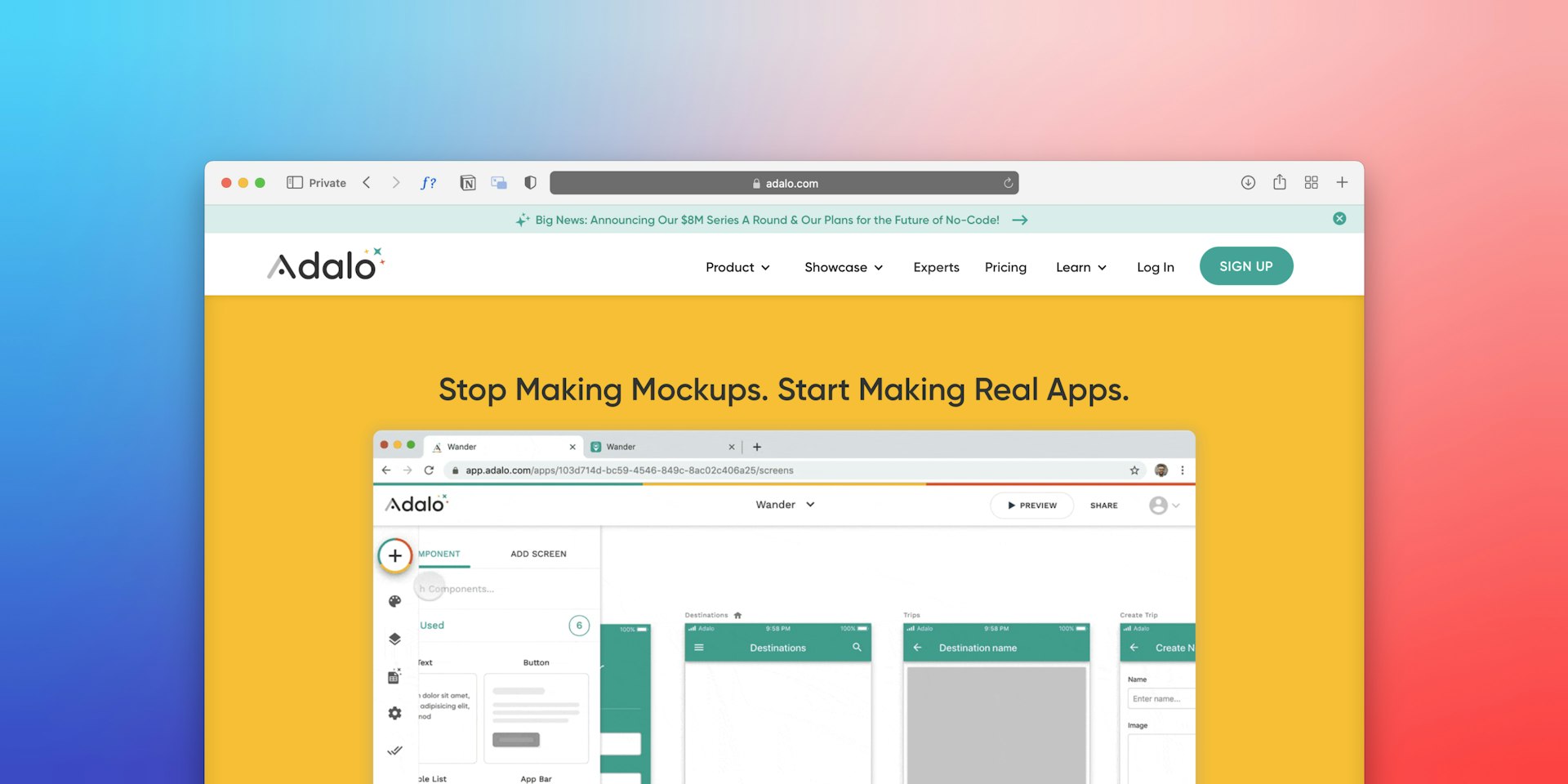
You can also learn from sites that already rank. In the database explorer, filter to your niche and sort by estimated organic traffic, then open the top few sites and look at how they structure categories, pillars and in-body links. That is a method, not a template: you are looking for patterns in how they concentrate links, not copying a sitemap.
The limits of internal linking
The honest limitation is that internal links redistribute authority; they do not create it. A site with few referring domains can link perfectly and still struggle against competitors with stronger link profiles. Internal linking decides where your authority goes, not how much of it you have.
It is also hard to measure in isolation. Linking changes usually arrive alongside content updates and other site changes, so a ranking gain afterwards rarely has a single cause. Change a small set of priority pages first, note the date, and watch those pages rather than the whole site.

The three-click rule and the 3–5 link guideline are starting points. A large reference site may need deeper sections, and a long pillar may justify more links. What matters is that the pattern of links matches the pattern of priorities. More on site structure sits in the strategy archive.
Frequently asked questions
Does internal linking help SEO?
Yes, when it signals priority. Links concentrated on the pages you want to rank, with descriptive anchors, help crawlers find them and show which pages matter most. Uniform sitewide links add little.
How many internal links should a blog post have?
Ahrefs’ guide suggests 3–5 contextual internal links per article. More dilutes the value each link passes and makes the post harder to read. Navigation and breadcrumb links are separate.
What is an orphan page?
A page with no internal links pointing to it. Crawlers may still find it through the sitemap, but the site itself gives it no support. Link it from its pillar or prune it.
The takeaway Decide which pages matter, keep them within three clicks, and point a few descriptive contextual links at them. Internal links work as a signal of priority, not as a volume game.