
Crawled, currently not indexed: what it means and what to fix
Crawled currently not indexed is a judgement on the page, not a crawl fault. How it differs from discovered, and the fixes that move URLs into the index.


Product
Features Expired Domain Finder Niche Site Finder Google Update Tracker Domain Marketplace Sell a DomainFree Tools
Website Traffic Checker Domain Age Checker Domain Expiry Checker Domain History Checker Spam History Checker Domain Worth Calculator Backlink Analyzer Pricing Blog AboutMore
Roadmap FAQ ContactHow to choose where to compete, and how to tell an open search result from one that only looks open.
249 articles
Crawled currently not indexed is a judgement on the page, not a crawl fault. How it differs from discovered, and the fixes that move URLs into the index.

Keyword cannibalization is real but over-diagnosed. How to confirm it in Search Console, when two ranking pages are a win, and the five fixes that work.

Internal linking for SEO works when links follow priorities: three-click depth, topic clusters, descriptive anchors and 3–5 contextual links per post.

E-E-A-T examples that show trust rather than claim it: author bios, original test photos, cited sources and editorial policies, plus what Google says.
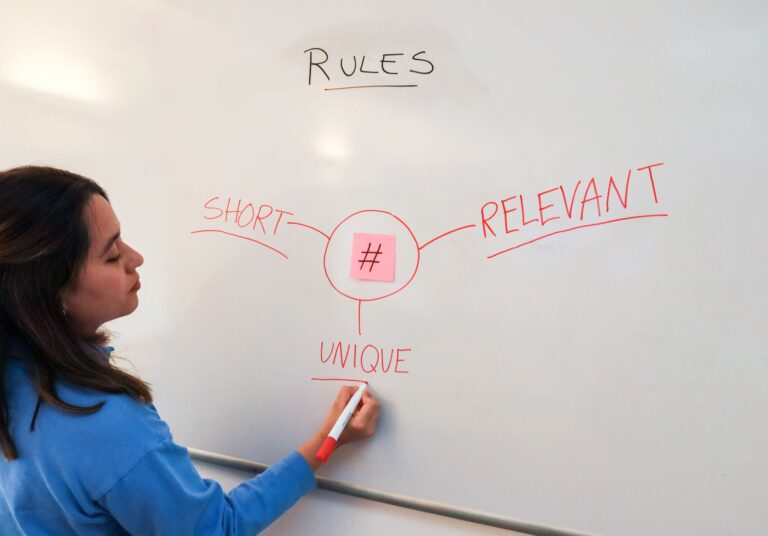
How to build topical authority by narrowing coverage, not widening it: what winning sites show, how to measure it, and why it is not the same as DR.

Content pruning is mostly not deleting. When to refresh, merge, redirect, noindex or remove a page, with a decision table driven by traffic and links.

A difficulty score summarises the incumbents. Reading the result page yourself tells you something better: whether any of them can actually be displaced.

The companies you compete with commercially are usually not the sites you compete with in search. Here is how to find the ones that actually matter.

The programmatic SEO examples people cite are mostly from 2021. What separates the pages still ranking from the ones deindexed is narrower than it looks.