Zero click searches get quoted as proof that building on organic search is a losing bet. The figures are genuine and worth knowing precisely. What they do not support is the conclusion usually drawn from them, because an average across every Google search tells you very little about the searches your site would actually target.
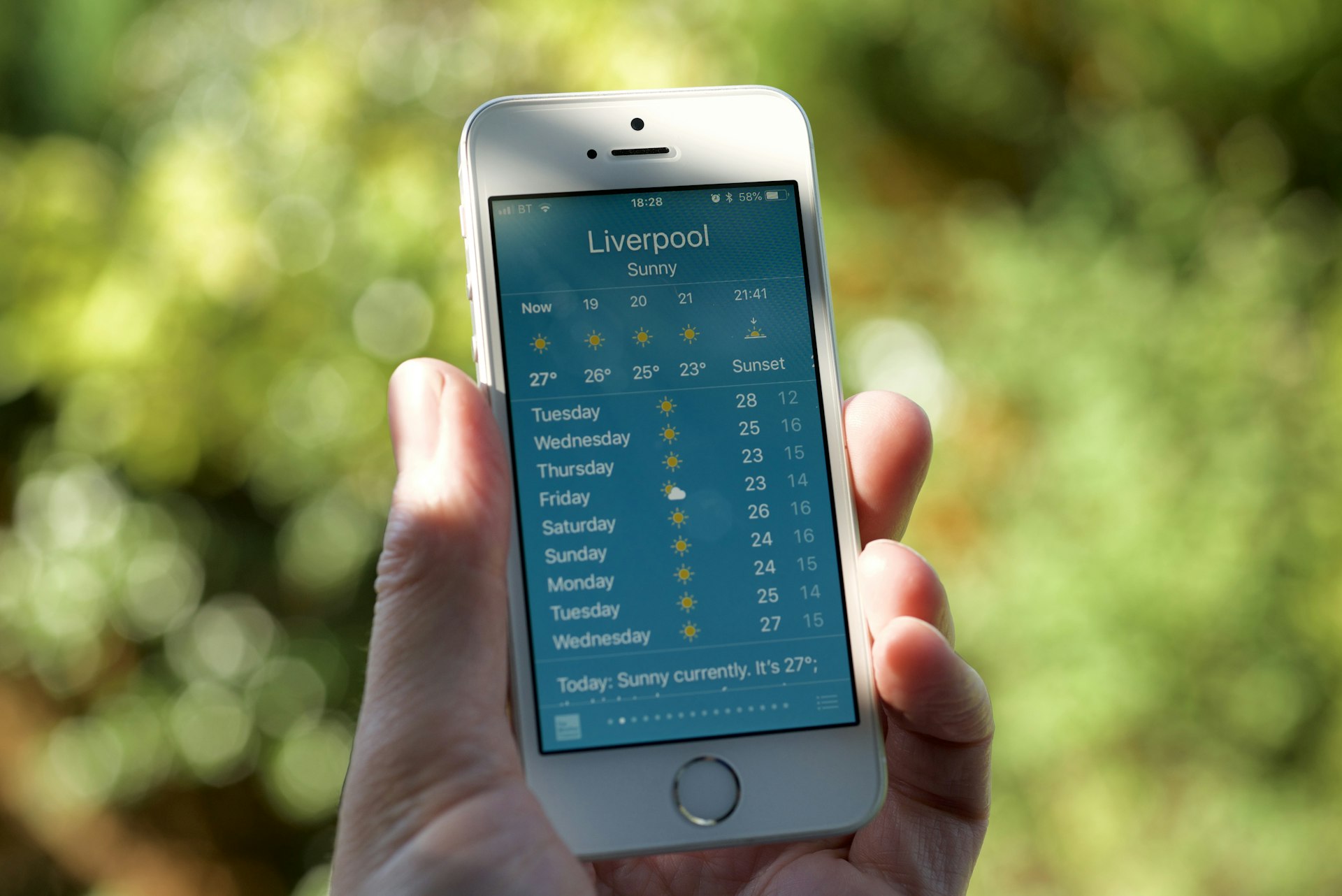
A weather lookup and a mattress comparison are both “a Google search”. Only one of them was ever going to send anybody a visitor.
The zero click searches figures, exactly
The most cited study is SparkToro’s, written by Rand Fishkin using clickstream data from Datos. It covers US and EU panels from September 2022 to May 2024, and it is worth reading in full in SparkToro’s 2024 zero-click study. The headline numbers:
| Measure (SparkToro / Datos, 2022–2024) | US | EU |
|---|---|---|
| Google searches ending with zero clicks | 58.5% | 59.7% |
| Clicks to the open web per 1,000 searches | 374 | 360 |
| Share of clicks going to Google-owned properties | Almost 30% | Not stated here |
“Open web” here means properties that are neither owned by Google nor paid adverts. That is the pool independent sites compete for: 374 clicks per 1,000 US searches, and 360 in the EU.

Why the average misleads you
An average of 58.5% zero-click does not mean each query loses 58.5% of its clicks. It means a large block of searches end on the results page, and a different block still sends people out. The average blends the two.
Some of those zero-click searches were never yours to lose. People check the weather, convert a currency, look up a time zone, confirm a sports score or find a phone number. The answer fits in a box, so Google puts it in a box. Nobody building an affiliate or content site was ever going to earn a living from those searches, and their being answered on the page costs you nothing.
Others end on the page because the person refined their query, gave up or went to a Google property instead. The almost 30% of US clicks that go to Google-owned properties is the figure to take seriously. That is Google keeping demand inside its own products, and on queries where it has a product (maps, shopping, video) you are competing with the results page itself.
That is the received wisdom worth arguing with. “Search sends less traffic” is true in aggregate and nearly useless as planning advice. The question that matters is whether the specific queries you would build around end on the results page or leave it, and that varies enormously from one niche to the next.
Query types that still send clicks
The useful way to read zero-click search statistics is by intent. A rough split, built from what the results page can and cannot answer:
- Answered on the page: weather, unit and currency conversions, definitions, dates, simple facts, scores. Expect very few clicks.
- Pulled into Google properties: local “near me” searches (map pack), many product searches (shopping), some how-to queries (video). Clicks exist but compete with Google’s own surfaces.
- Still needs a click: comparisons, reviews, buying research, detailed guides, tools and calculators with real inputs, anything where the reader needs to judge rather than learn a fact.
The third group is where independent sites live. Its demand has not disappeared; the readers who want it still have to leave the results page to get it.
The zero click search impact on niche selection
This is the practical consequence, and it argues against the usual advice. Most niche research starts with total keyword volume. Volume is the wrong first number when a large share of it can be answered without a click. A niche with modest volume made up of comparison and review queries can be worth more than one with ten times the volume made up of facts.
So check the results page before you check the volume. Search a sample of the niche’s core queries and note what sits above the first organic link: an answer box, a map, a shopping carousel, a video block or an AI summary. If most of the sample is answered on the page, the volume figures are inflated for your purposes.
Then look at who already earns from the niche. In the database explorer, filter to the niche, set monetization to affiliate, and sort by estimated traffic. Sites earning from affiliate links depend on readers clicking through, so a healthy set of them is evidence that the niche’s queries still send visitors. Compare that with a second pass filtered to display ads only, and see which model the niche supports. For a wider version of the same method, see finding high-traffic, low-competition niches.

What the study cannot tell you
The SparkToro figures come from a clickstream panel, and panels have limits. They measure the behaviour of the people in the panel, they end in May 2024, and they predate the wider rollout of AI summaries in many markets. The share of zero-click searches today may be higher, and nothing in this study can say by how much.
The study also averages across all searches. It does not give you the zero-click rate for your niche or your query set, and no public dataset does. The only reliable read on your own exposure is your Search Console data: click-through rate by query, watched over time.
None of this makes the numbers less useful. It makes them a starting point for a question about query mix rather than a verdict on organic search as a whole.

A short checklist before you build
- Pull twenty core queries for the niche and search each one in a clean browser.
- Mark each as answered on the page, pulled into a Google property, or needs a click.
- Drop the niche if most of the twenty are in the first group.
- Check that affiliate or lead-generation sites already earn from the niche.
- Plan content around the queries that still need a click.
Twenty queries is a small sample, and that is deliberate. The aim is a quick disqualifier, not a forecast. If a niche survives the check, you can afford to spend longer on it; if it fails, you have saved yourself months of writing answers that Google was always going to give away for free.
Repeat the check every few months for niches you already run. Results pages change, and a query that needed a click last year can pick up an answer box this year.

More research-led posts sit in the data archive and the main blog.
Frequently asked questions
What percentage of Google searches are zero-click?
SparkToro’s study with Datos found 58.5% of US Google searches and 59.7% of EU searches ended with zero clicks, using clickstream data from September 2022 to May 2024.
How many clicks reach websites per 1,000 searches?
In the same study, 374 clicks per 1,000 US Google searches reached the open web, meaning sites that are neither Google-owned nor adverts. In the EU the figure was 360.
Are zero-click searches bad for niche sites?
Only if the niche is built on queries the results page can answer. Comparison, review and research queries still need a click, so choose niches where those dominate.
The takeaway Most zero-click searches were never worth targeting. Judge a niche by what its results pages show and whether click-dependent sites already earn from it, not by total keyword volume.