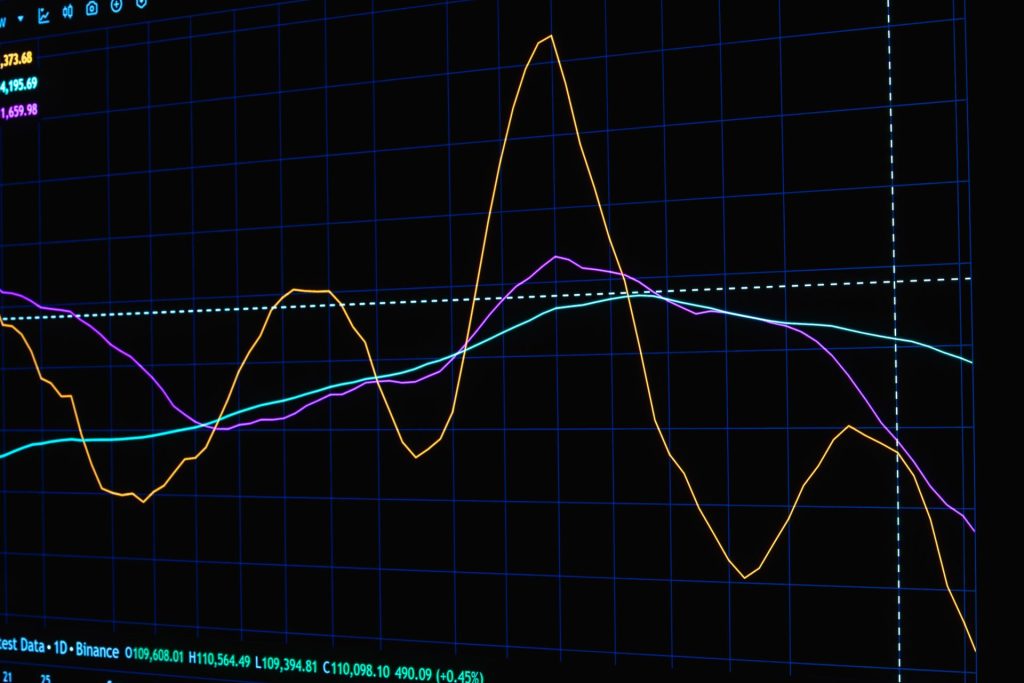
If you are buying a domain, its domain authority history matters more than today’s number: a score that climbed slowly on real links reads differently from one that spiked last quarter. Every rule, plan and quote below comes from the vendor’s own page, checked 25 November 2026. For how the two scores differ, see DR vs DA.
Why a past DA or DR is only useful with a date
Moz’s Domain Authority guide says “Domain Authority is not a Google ranking factor and has no effect on the SERPs.” It also says the score “may fluctuate” and can change with “updates to the DA calculation model”. Ahrefs calls DR the strength of a backlink profile “compared to the others in our database”. Semrush’s free checker says website authority “is not an official metric used by Google”.
All three are relative. Moz’s example: if one huge site gained a billion links, “other site’s DA would drop relative to Facebook’s.” So a DA 40 from two years ago and a DA 40 today are not the same measurement. Write down the tool, the score and the date every time. Whether the score matters at all is argued in does domain rating matter.

Which tools show domain authority history, and on which plan
What each vendor’s own pages say today, with gaps marked.
| Tool | Score | History shown? | Free or paid | Limits |
|---|---|---|---|---|
| Moz Link Explorer | DA | Yes: DA, PA and linking root domains “over the 12 months” | Free Moz Community account gets Link Explorer; Moz Pro for more queries | “10 free queries per month”; Moz’s free-data list doesn’t mention the over-time graphs |
| Moz Free Domain Authority Checker | DA | Says “See the ranking strength of a website or page over time” | Free, “no login required” | “3 free reports per day”; range not stated |
| Ahrefs Site Explorer | DR | Yes: DR change is shown in “Site Explorer Overview” and can be exported | Paid plans; Ahrefs Free covers verified sites only | Pricing lists 6 months (Lite), 2 years (Standard), 5 years (Advanced) of historical data |
| Ahrefs Website Authority Checker | DR | Not mentioned | Free | Current score only, as described |
| Semrush Backlinks Overview | Authority Score | Yes: “The 12-month trend for Authority Score and total referring domains” | Not stated on the help page | 12 months |
| Semrush Website Authority Checker | Authority Score | Referring domain growth only, “over the last 12 months” | Free | No Authority Score trend listed |
Ahrefs’ pricing page doesn’t say whether those historical-data limits apply to the DR chart in particular, so treat them as a guide and check inside the tool.

How to read a DA history in Moz
Moz’s Link Explorer help page has a “Metrics Over Time” section: toggle DA, Page Authority and linking root domains “to view how they have changed over the 12 months.” Moz says a free Community account gets Link Explorer with “10 free queries per month”. Page-level scores are covered in page authority.
Read the DA line next to the linking root domains line. Moz itself recommends tracking linking root domains “from index update to index update” as “a quick way to confirm possible reasons for an increase or decrease in the score.” If DA fell while linking domains held steady, the scale probably moved, not the domain.
How to read a DR history in Ahrefs
Ahrefs’ help centre says “The change of your website’s Domain Rating (DR) is possible to check in Site Explorer Overview” and that the data can be exported. Ahrefs Free gives “free limited access to Site Explorer” but only for verified websites, which a buyer usually can’t verify. So for a domain you don’t own, you need a paid plan.
When DR fell, Ahrefs tells you to “check your Referring Domains report to investigate what domains with dofollow links you lost at the time of decline”. That is the right habit for a buyer too: line up the DR drop with the referring domains lost in the same weeks.
What a sudden jump or drop usually means
- The scale moved. Ahrefs: “Most likely, other websites gained a lot of backlinks”, so “other websites are pushed down the scale.” Moz lists “Shifts in the scores of other websites”.
- The vendor changed its model or index. Moz names “updates to Moz’s web index” and the “2019 rollout of Domain Authority 2.0”, which “restructured how scores are calculated.” Semrush updates Authority Score “once every two weeks”.
- Links were lost or changed. Ahrefs lists “losing high-quality dofollow links”, a dofollow link turning nofollow, and referring domains that “dropped in DR”. Moz lists “Growth or loss in your backlink profile”.
- A link was lost only in the crawler’s eyes. Moz says a lost link “doesn’t necessarily mean the link has been removed.”
- A spike from spam. In a 2022 post Ahrefs said “black-hat SEOs found ways to inflate Ahrefs’ DR with link spam” and that it had closed many of those methods.
A sharp rise followed by a fall deserves a look at the referring domains gained in that window. Semrush adds that a Google penalty is “highly unlikely” to change Authority Score, so a steady score doesn’t rule one out.

When no chart exists: links, then the archive
Every chart above stops somewhere between 12 months and a few years. For anything older, or for a domain that dropped and sat empty, use two other records.
- Referring-domains history. Moz shows discovered and lost linking domains for the last 60 days, and says the range can’t go “farther back than 60 days”. Semrush’s Backlinks Overview charts “new, lost, and the total number of referring domains”. Our guide to checking backlinks covers the exports.
- What the site actually was. The Domain History Checker gives a year-by-year Wayback Machine timeline of past page titles, topic changes, gaps and redirects. If the topic changed when the score jumped, you have a likely reason.
- Spam in the past. The Domain Spam History Checker scans archived pages for casino, pharma, adult and hacked-site spam and links the evidence.
Who held the name is a separate question, covered in domain ownership history. The full pre-purchase routine is in how to check an expired domain.

What this guide cannot tell you
No vendor page read today offers a DA or DR history covering a domain’s whole life, and none says what a score is worth. Moz’s page says there’s no universal “good” score. Ahrefs says it’s “not possible to say that a Domain Rating of 30 is good”. The charts show how a third-party number moved, not how Google treated the domain.
Frequently asked questions
Is there a free domain authority history checker?
Moz’s Link Explorer shows DA over 12 months and has a free tier of 10 queries a month, though Moz’s free-data list doesn’t name the chart. Ahrefs’ and Semrush’s free checkers don’t list a score history.
Can I see a domain rating history for a site I don’t own?
Yes, in Ahrefs Site Explorer on a paid plan. Ahrefs Free only covers websites you have verified.
Why did a domain’s DA drop when it lost no links?
Moz says other sites’ scores and updates to its index or model can move DA. Ahrefs says other sites gaining links push the rest down.
How far back does DA or DR history go?
Moz’s Link Explorer shows 12 months. Ahrefs’ pricing lists 6 months to 5 years of historical data by plan, or unlimited on Enterprise.
The takeaway Treat a past DA or DR as a dated reading from one vendor. Line it up with referring domains and the archive, and the reason it moved tells you more than the number. Buying rather than checking? See high authority domains for sale.